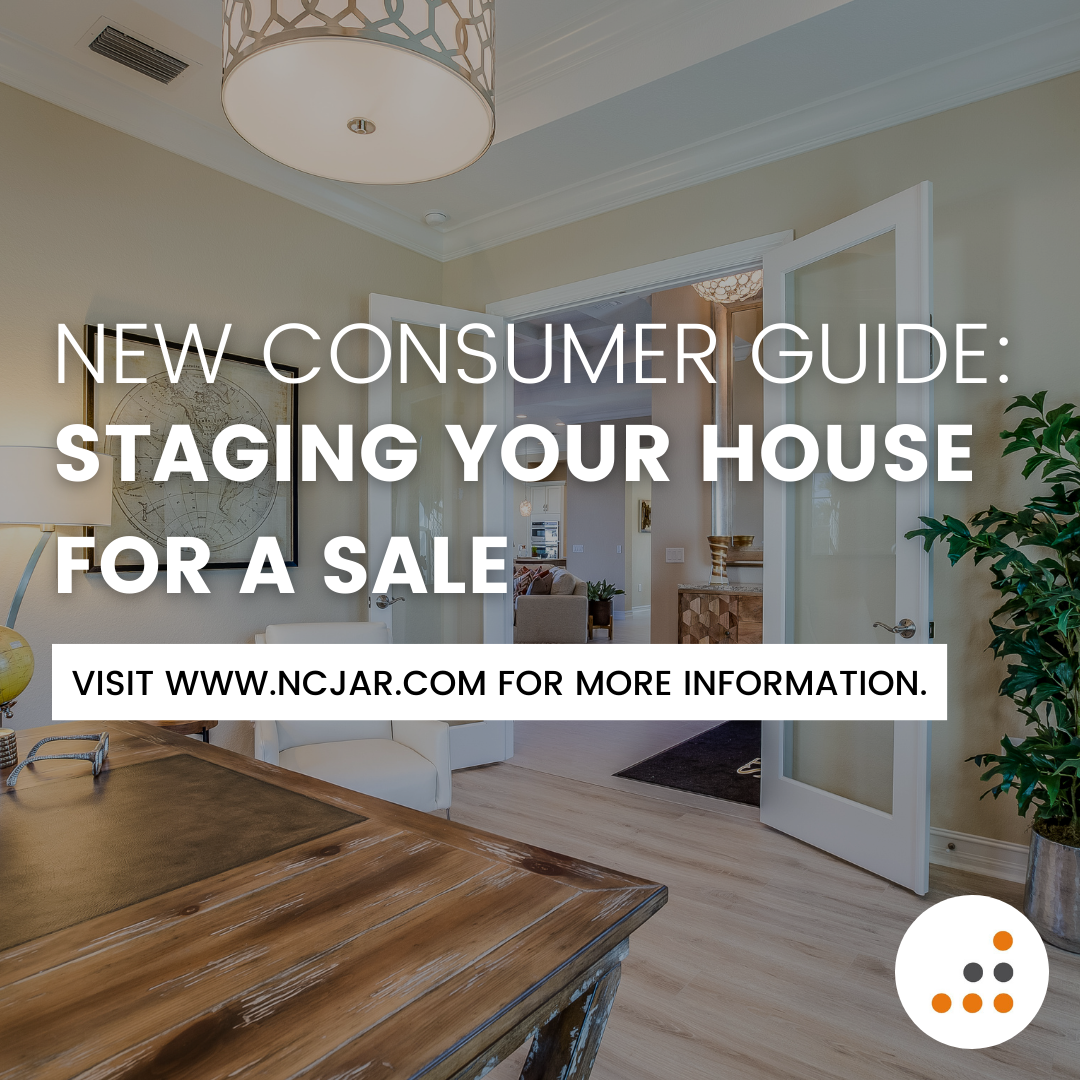
 When it comes time to sell your home, first impressions matter. One of the most effective ways to make a strong impression on buyers is through home staging—a strategy that helps showcase your property in its best possible light.
But staging isn’t about chasing the latest design trends or investing in major renovations. Instead, it’s about creating a clean, welcoming space that allows buyers to picture themselves living there.
According to the 2025 Profile of Home Staging from the National Association of REALTORS®, 83% of buyers’ agents said staging makes it easier for buyers to visualize a property as their future home. That’s a powerful reason to take staging seriously before listing your home.
Does Home Staging Really Make a Difference?
In short—yes.
Home staging can have a real impact on both buyer interest and your bottom line:
- More than 25% of real estate professionals reported that staging increased offers by 1% to 10%.
- About half of sellers’ agents said staged homes sold faster than unstaged ones.
In a competitive market, those advantages can make all the difference.
What Does the Home Staging Process Look Like?
Your real estate professional may recommend staging as part of your selling strategy—and in some cases, may even offer staging services. Here are the three most common approaches:
1. In-Person Staging
A professional stager visits your home and makes hands-on improvements, such as:
- Rearranging furniture for better flow
- Removing clutter and personal items
- Adding furniture, artwork, or décor to enhance the space
2. Staging Consultation
The stager evaluates your home and provides a custom to-do list, allowing you to complete the updates yourself.
3. Virtual Staging
Using digital tools, photos of your home are enhanced with furniture or design elements—ideal for empty or outdated spaces.
Important: Any enhancements that significantly alter the property should be clearly disclosed so buyers have an accurate understanding of the home.
DIY Home Staging Tips That Make a Big Impact
You don’t always need a professional to improve your home’s appeal. Here are simple, effective ways to stage your home yourself:
- Take photos of your space and review them objectively—what stands out?
- Remove personal items like family photos, toiletries, medications, valuables, and firearms
- Refresh key spaces with clean towels and new bedding
- Use neutral paint colors like soft white, gray, or beige
- Declutter and remove bulky furniture to make rooms feel larger
- Add subtle décor—throw pillows, blankets, or centerpieces
- Boost curb appeal with a clean entryway, doormat, and plants
- Organize closets—aim for them to be about half full
- Start packing early and consider using a storage unit
Common Home Staging Mistakes to Avoid
Even small missteps can distract buyers. Be mindful of these common staging pitfalls:
- Overcrowding rooms with too much or oversized furniture
- Neglecting cleanliness—your home should feel spotless
- Displaying political, religious, or highly personal décor
- Overlooking high-traffic areas like entryways
- Using bold or distracting colors and design choices
The Goal of Home Staging
Whether you hire a professional or take the DIY route, the goal is simple:
Create a clean, neutral space where buyers can easily imagine making your home their own.
Work With a Trusted Professional
A knowledgeable real estate professional can guide you through every step of the home selling process—including staging strategies that align with your goals.
Keep in mind:
Not all real estate professionals are REALTORS®. Only members of the National Association of REALTORS® can use that title, and they are committed to upholding a strict Code of Ethics—putting your best interests first.
For more information and consumer resources, visit facts.realtor.
Source: NAR Consumer Guide
